MANIFEST is built by three Cambridge students — a new chapter in a Cambridge lineage. From the world held in the mind, to the mind held in a machine, to the world's first editable AI engine for 3D worlds and world models. Three roots. Each one a beginning.
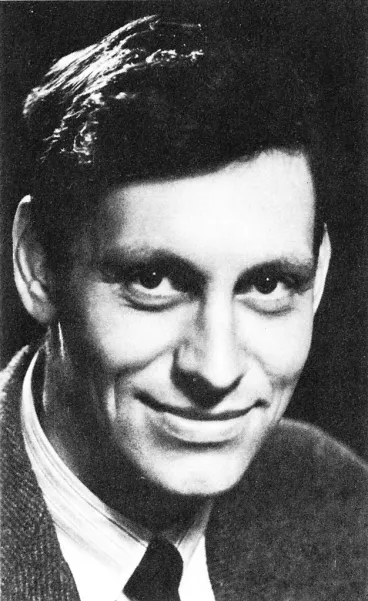
Kenneth Craik (1914–1945) — Fellow of St John's College, Cambridge, and first director of the Cambridge MRC Applied Psychology Unit.
In The Nature of Explanation (1943) he proposed that the brain carries a small-scale model of reality inside the skull — rehearsing possibilities and reacting to events before they happen. It is the origin of today's world models and internal simulation. In 1945 he died in a cycling accident on King's Parade, aged just 31.
“If the organism carries a small-scale model of external reality and of its own possible actions within its head, it is able to try out various alternatives… and react to future situations before they arise.”
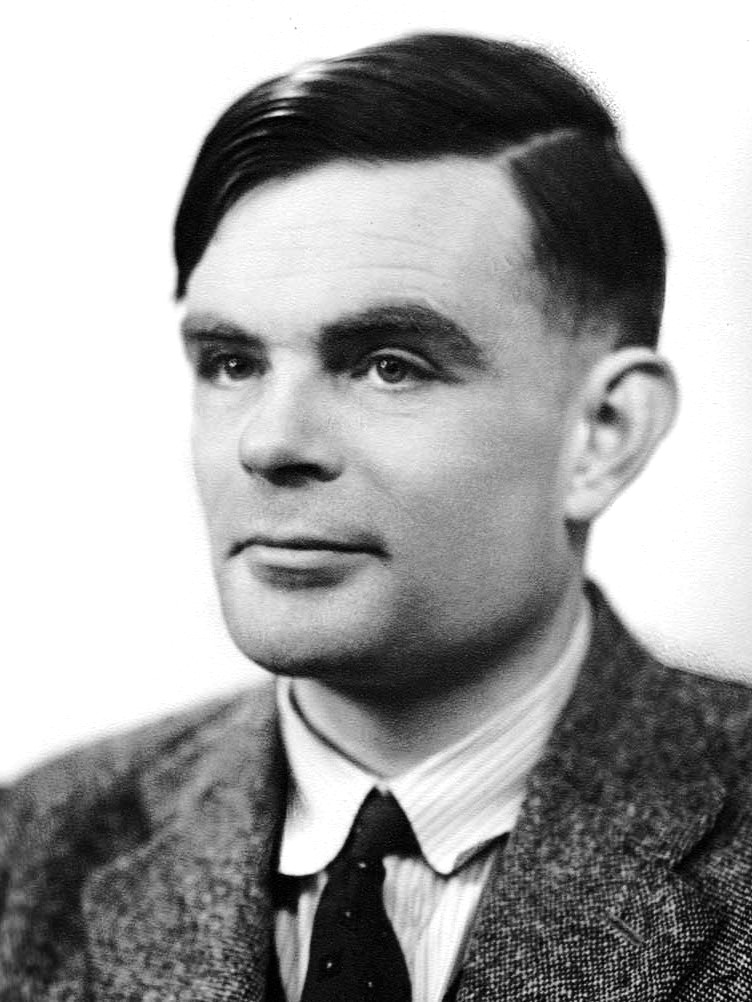
Alan Turing (1912–1954) — Fellow of King's College, Cambridge, elected in 1935 at just 22.
On Computable Numbers (1936) introduced the Turing machine and laid the foundations of computation; Computing Machinery and Intelligence (1950) asked whether machines can think and proposed the imitation game — the Turing test — founding the idea of artificial intelligence. Britain's national AI institute, the Alan Turing Institute, bears his name.
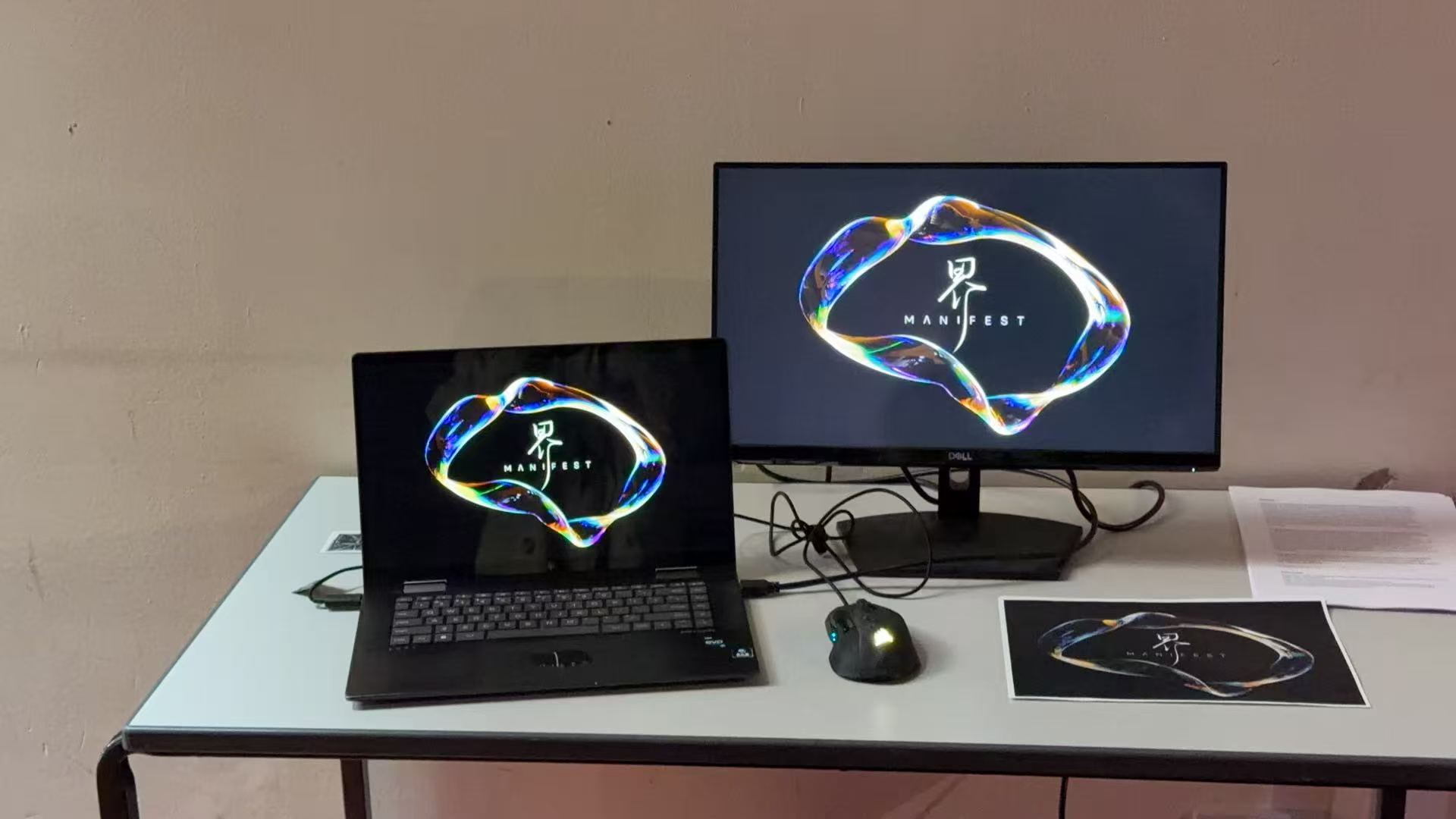
Three Cambridge students, one mission: to build the world's first editable AI system for 3D worlds and world models — vibe coding for reality.
Where Craik imagined the model in the mind, and Turing put the mind in the machine, MANIFEST makes that model editable by anyone — in words. The third root: inheriting a Cambridge lineage, carrying it forward, and opening the next chapter. Each of our three roots is a beginning of its own.
Turn a sentence into a living, interactive 3D world — and help write the next chapter of the world model.